

This disparity is real. It is documented. And it is devastating. But there is a question that is seldom asked in the clinical setting:
Why did our grandmothers not suffer the way we are suffering?
The answer is not genetics. It is not a coincidence. It is not simply that they were stronger women who endured in silence.
- Estrogen metabolism,
- Inflammation,
- Immune balance,
- Detoxification,
- Insulin signalling
- And environmental toxin removal.
Understanding Fibroids Beyond What You Have Been Told
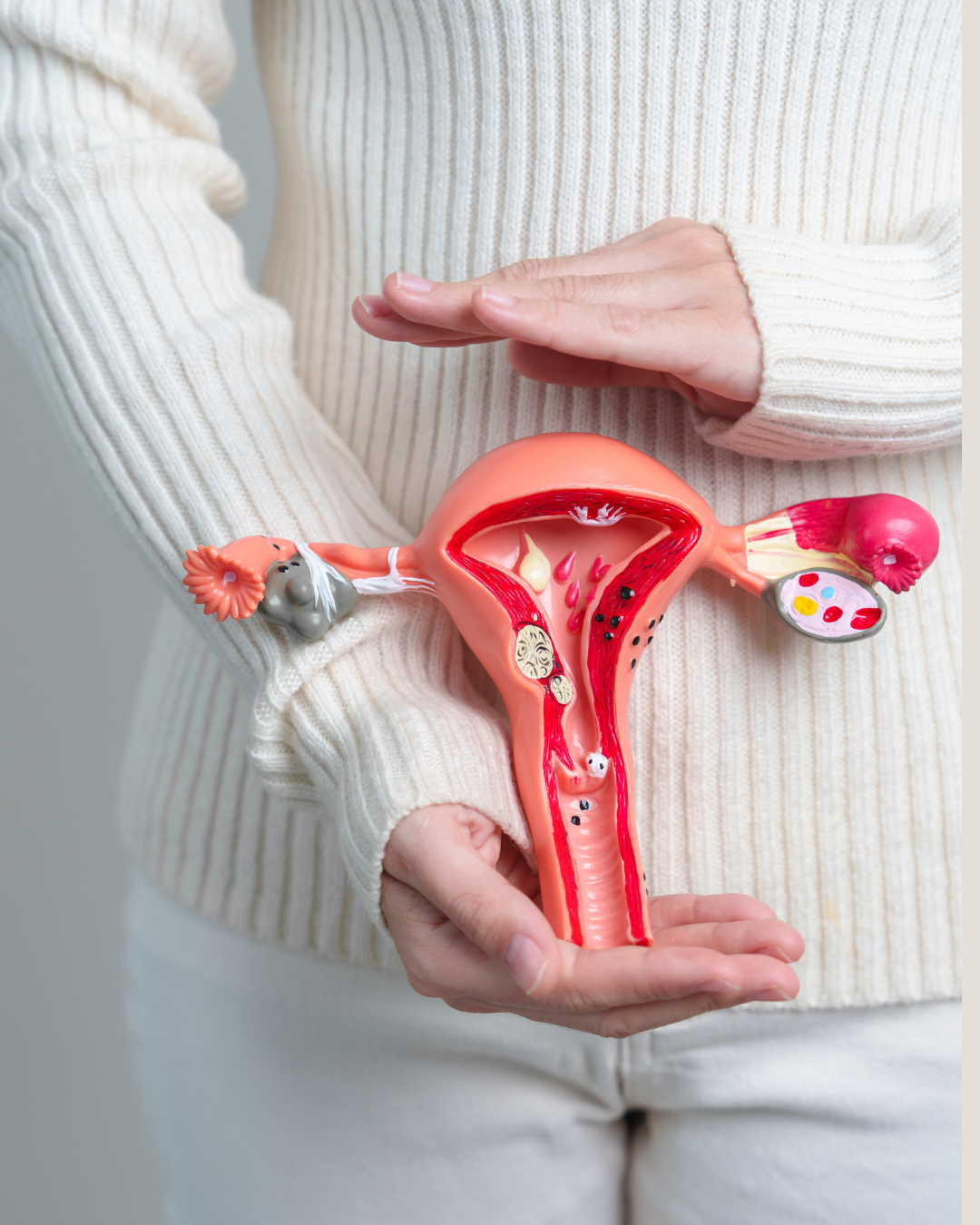
Uterine fibroids are non-cancerous growths that develop in or around the uterus. They are driven primarily by oestrogen and progesterone, the two main female sex hormones. The standard medical explanation for why some women develop fibroids goes something like this: genetics, hormonal sensitivity, and race are the primary risk factors. Treatment options range from watchful waiting to medication to surgery, depending on symptom severity.
What is rarely discussed in the standard clinical consultation is the role of the gut — specifically, the gut’s responsibility for regulating oestrogen levels in the body.
This is not fringe science. This is established and growing research in the field of endocrinology and gut microbiome medicine. However, it has not been incorporated into mainstream gynaecological care in a meaningful way.
So let me explain it to you the way I explain it to my community, simple, accurately, and with the ancestral context your grandmother would recognise.
The Gut-Hormone Connection: The Missing Piece
Inside your digestive system, a vast community of trillions of bacteria lives. A specific subset of bacteria has been named the estrobolome. The estrobolome is responsible for one crucial job, metabolising oestrogen so it can be removed from your body efficiently.
Here is how it works in simple terms:
Your liver does the first phase of work. It takes used oestrogen from your bloodstream, processes it into a form that can be excreted, and sends it to your digestive system for removal. Your gut then completes the job. Healthy, balanced gut bacteria package this processed oestrogen into waste, and then it leaves your body.
But here is where the problem begins for so many women, particularly Black women.
When your gut bacteria are imbalanced with years of processed food, antibiotic use, high stress, hair relaxers, low fibre intake, and disconnection from traditional fermented foods, nature’s food, the tiny living community in your belly known as the microbiome, becomes dysfunctional. An enzyme produced by imbalanced gut bacteria called beta-glucuronidase actually reactivates the oestrogen that your liver already processed for removal. Instead of leaving your body, this oestrogen gets reabsorbed back into your bloodstream. It circulates. It accumulates. Over time, it creates a state of oestrogen dominance. And oestrogen dominance is one of the primary drivers of fibroid growth. Your grandmother did not know what the estrobolome was. But she maintained it every single day through her food.
- Fibroids Are Estrogen-Sensitive Tumours
- Chronic Inflammation: The Silent Fertiliser
- abnormal tissue growth
- Immune dysfunction
- Fibrosis
- And hormone disruption.
- Higher in fibre.
- Richer in fermented foods
- Lower in ultra-processed foods
- Lower in industrial seed oils
- It contained more plant diversity.

- Ultra-processed foods,
- Excess sugar
- Alcohol
- Low-fibre diets
- Frequent antibiotics
- Chronic stress
- Endocrine-disrupting chemicals
- Poor sleep.
- The gut
- The liver
- Blood sugar
- Inflammation.
- Bloating
- Constipation
- Acid reflux
- Fatigue
- Insulin resistance
- Skin issues
- Chronic inflammation symptoms.
The body is connected.
- Chronic inflammation
- Environmental overload
- Hormone recycling
- Insulin imbalance
- Stress
- Poor detoxification
- Gut dysbiosis
- The Overdue Conversation
 Women deserve deeper conversations than.
- Gut
- Liver,
- Immune system
- Metabolism
- Inflammation
- And environment.
I want to be very clear here: Fibroids are a complex medical condition. If you have fibroids, especially large or symptomatic fibroids, please work with your healthcare provider on an appropriate management plan.
What I am presenting here is not a cure. It is a root cause framework. It is the conversation that should have started years ago and is only now beginning to enter mainstream clinical awareness.
Healing your gut will not make existing fibroids disappear overnight. But rebuilding the gut environment that supports healthy oestrogen clearance is a meaningful and evidence-informed step toward reducing the hormonal drivers of fibroid growth and supporting your body’s ability to maintain hormonal balance moving forward.
Here is where you begin:
- Rebuild your fermented food practice
This is the single most impactful dietary change for estrobolome health. Full-fat plain yoghurt. Traditional ogi or pap is prepared with fermentation. Fermented locust beans. Even one serving daily begins to shift the bacterial landscape of your gut.
- Return Fluted Pumpkin and bitter leaf to your pot weekly.
Not occasionally but weekly. If you cannot access them, spinach contains phytoestrogenic benefits, and dandelion tea is an alternative to bitter leaf for liver support.
- Reduce your environmental oestrogen load.
Plastic food containers leach xenoestrogens, synthetic compounds that mimic oestrogen in the body and add to your overall oestrogen burden. Switch to glass or stainless steel where possible. Check the ingredients of your personal care products, parabens and certain synthetic fragrances have oestrogenic activity. These are small changes with a meaningful cumulative impact.
- Support your liver actively.
Your liver and your gut work in partnership for oestrogen clearance. Turmeric is added to daily cooking. Dandelion tea or bitter leaf tea regularly. Reducing alcohol or completely if possible, significantly impairs liver-based oestrogen metabolism.
Reduce your consumption of conventional meat and dairy. Commercial meat and dairy products often contain synthetic hormones used in animal farming. These add to the oestrogen your body is already trying to clear. None of this is complicated. None of it is expensive. And all of it, every single element, is rooted in what African grandmothers already knew.
XOXO
Your GrassRoot Girl
Sheryl Ndasi